Frequently Asked Questions
How to care for braces daily?
To care for braces daily, follow these tips:
Brush after every meal.
Floss carefully to remove food particles.
Avoid hard, sticky foods.
Attend regular orthodontic appointments for adjustments.
Use fluoride mouthwash for added protection.
What foods should braces wearers avoid?
Braces wearers should avoid sticky, hard, or sugary foods that can damage brackets or wires. Foods like popcorn, nuts, hard candies, gum, and sticky treats can cause issues. Opt for softer foods, cut fruits and vegetables into small pieces, and maintain good oral hygiene to protect braces.
How often should braces be tightened?
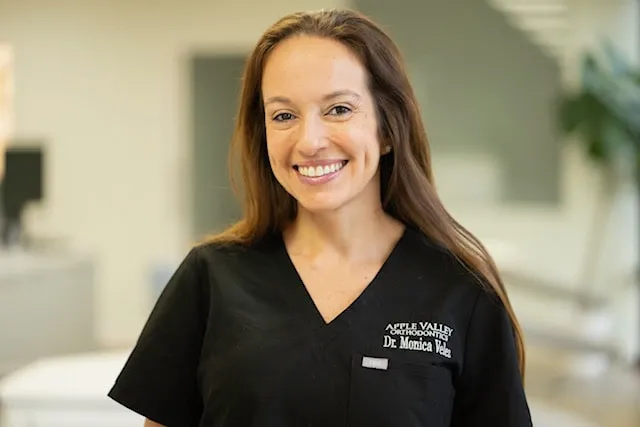
Yes. Along with traditional and ceramic braces, Apple Valley Orthodontics provides Invisalign clear aligners, two-phase early treatment for growing children, retainers, and treatment for bite problems such as overbites, underbites, crossbites, and crowding. Dr. Monica Velez reviews every option at your complimentary consultation and recommends the approach that fits your goals and timeline.
Are there alternatives to traditional braces?
Yes, alternatives to traditional braces include options like Invisalign, clear aligners, lingual braces, and ceramic braces. These alternatives offer more discreet treatment options for patients seeking a less noticeable way to straighten their teeth. Each option has its benefits, so discussing with an orthodontist is recommended to determine the best choice for individual needs.
Whats the average cost of Invisalign?
The average cost of Invisalign treatment can range from $3,000 to $7,000, depending on various factors like the complexity of the case, location, and the length of treatment needed. Additional costs may include consultations, x-rays, and retainers after treatment. Financing options are often available to help manage costs.
Can dental insurance reduce braces cost?
Dental insurance can help reduce braces costs by covering a portion of the treatment expenses. Check your insurance plan for orthodontic coverage details, such as deductibles, coverage limits, and required documentation for claims. Some plans may offer discounts or payment plans for orthodontic treatment.
How to relieve braces-induced discomfort?
To relieve braces-induced discomfort, try these tips:
1. Rinse with warm saltwater.
2. Use orthodontic wax on wires or brackets causing irritation.
3. Eat soft foods to minimize pressure on braces.
4. Take over-the-counter pain relievers as directed.
5. Apply a cold compress to reduce swelling and pain.
Remember to follow your orthodontist's advice for specific care instructions.
What age is best for braces?
The best age for braces typically ranges from 10 to 14 years old when the child has a mix of adult and baby teeth, making orthodontic treatment more effective. However, orthodontic treatment can be successful at any age, with advancements catering to adults as well.
How to brush teeth with braces?
Brushing teeth with braces requires extra care. Here's how:
1. Use a soft-bristled toothbrush.
2. Angle the brush at a 45-degree angle to clean around wires and brackets.
3. Brush gently in small circular motions.
4. Pay attention to areas where food can get stuck.
5. Rinse thoroughly after brushing.
Can braces fix all bite issues?
Braces can fix various bite issues, including overbites, underbites, crossbites, and open bites. However, severe cases may require additional treatments. Consulting with an orthodontist will determine the best approach for each individual situation.
What are ceramic braces advantages?
Ceramic braces are a popular orthodontic option due to their advantages, such as being less noticeable than traditional metal braces, offering a more discreet treatment option. They are also comfortable, durable, and resistant to staining, providing a reliable and aesthetically pleasing choice for orthodontic patients.
How long does orthodontic treatment last?
Most patients visit Apple Valley Orthodontics every 4 to 8 weeks for an adjustment. At each visit the team changes wires or elastics so your teeth keep moving on schedule. Appointments are short, and Dr. Monica Velez uses them to confirm your treatment is progressing as planned. Keeping these visits is the single best way to finish treatment on time.
Do braces require special toothpaste?
Braces don't require special toothpaste, but it's essential to use a fluoride toothpaste and a soft-bristled brush. Consider using an interdental brush or floss threader for effective cleaning around the brackets and wires. Mouthwash can also help maintain oral hygiene during orthodontic treatment.
Can retainers replace braces effectively?
Retainers cannot replace braces effectively. Retainers are designed to maintain teeth alignment after braces are removed, not to actively straighten teeth. Braces are necessary for correcting alignment issues, bite problems, and more complex orthodontic concerns that retainers alone cannot address.
What are self-ligating braces benefits?
Self-ligating braces offer benefits such as easier cleaning, quicker appointments, less discomfort, and potentially faster treatment times. They also reduce friction and allow for more precise tooth movement compared to traditional braces.
How to choose the right orthodontist?
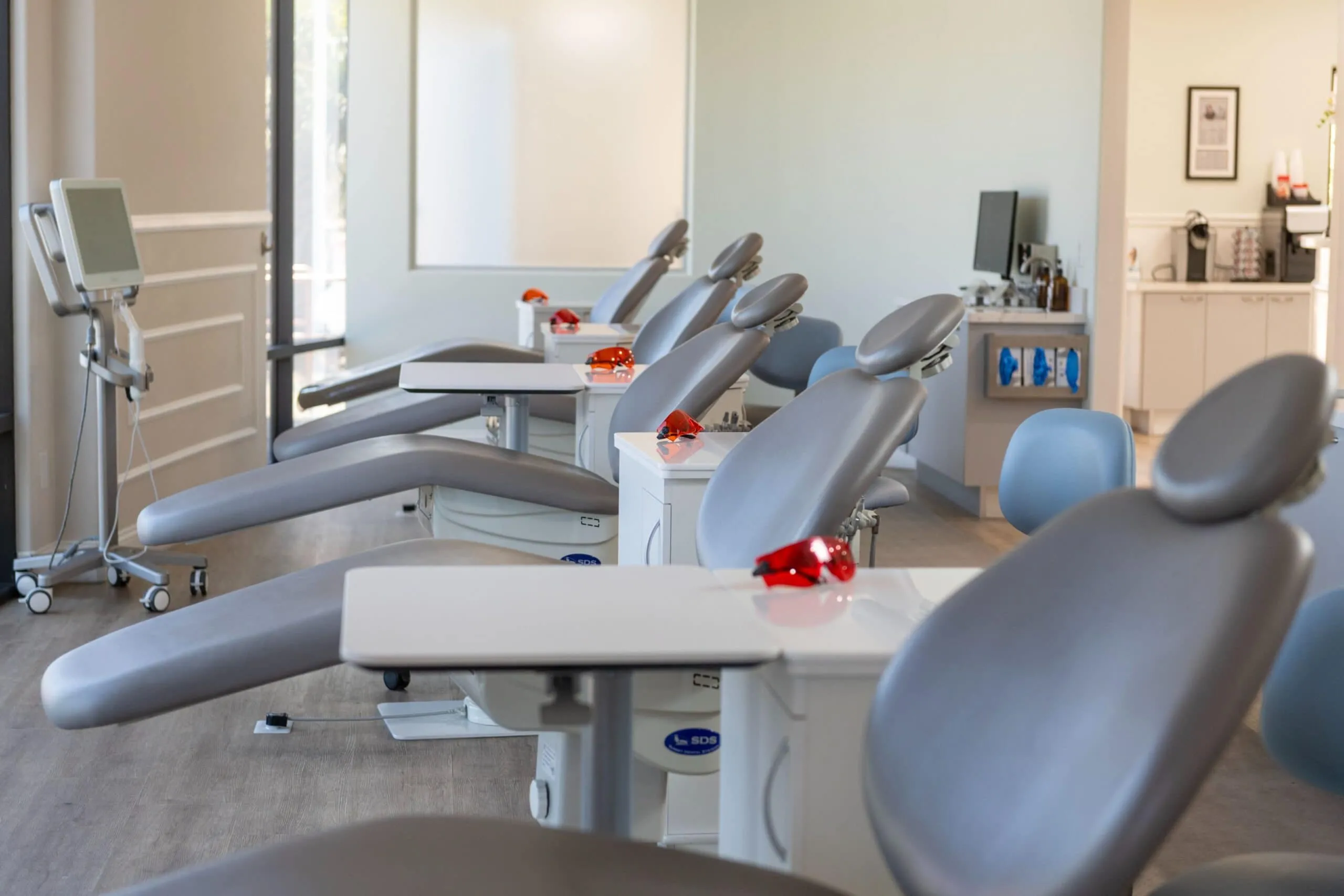
When choosing the right orthodontist, consider factors such as experience, technology used, office atmosphere, and patient reviews. Look for a board-certified orthodontist who offers advanced treatments and a friendly, comfortable environment. Reading patient testimonials can also help you gauge the quality of care provided.
A beautiful smile is the best gift we can give ourselves and our kids.